
Introduction
English boxing or French savate boxing: two combat sports, two cultures, two ways of fighting. While these two disciplines share the DNA of the ring and competition, their differences are much deeper than they seem, in terms of rules, techniques, equipment, and even mindset.
Whether you're looking to join a club, understand what you're watching on TV, or choose the discipline that best suits you, this guide will give you all the keys to distinguish savate from English boxing.
1. Origins: two sports, two histories
English boxing was born in Great Britain in the 18th century. Codified in 1867 with the Marquess of Queensberry Rules, it quickly established itself as the reference combat sport worldwide.
French savate boxing, on the other hand, is a martial art of Parisian origin, developed in the early 19th century in the streets and armories of the capital. Recognized as a high-level sport and demonstration Olympic discipline, it is now practiced in over 70 countries, but remains deeply rooted in French sports culture.
What you need to remember: English boxing is global and widely publicized. Savate is an exceptional French sporting heritage.
2. The rule that changes everything: feet
This is the fundamental difference between the two sports.
- In English boxing, only punches are allowed. Kicks are strictly forbidden.
- In French savate boxing, both kicks and punches are allowed and codified with remarkable technical precision.
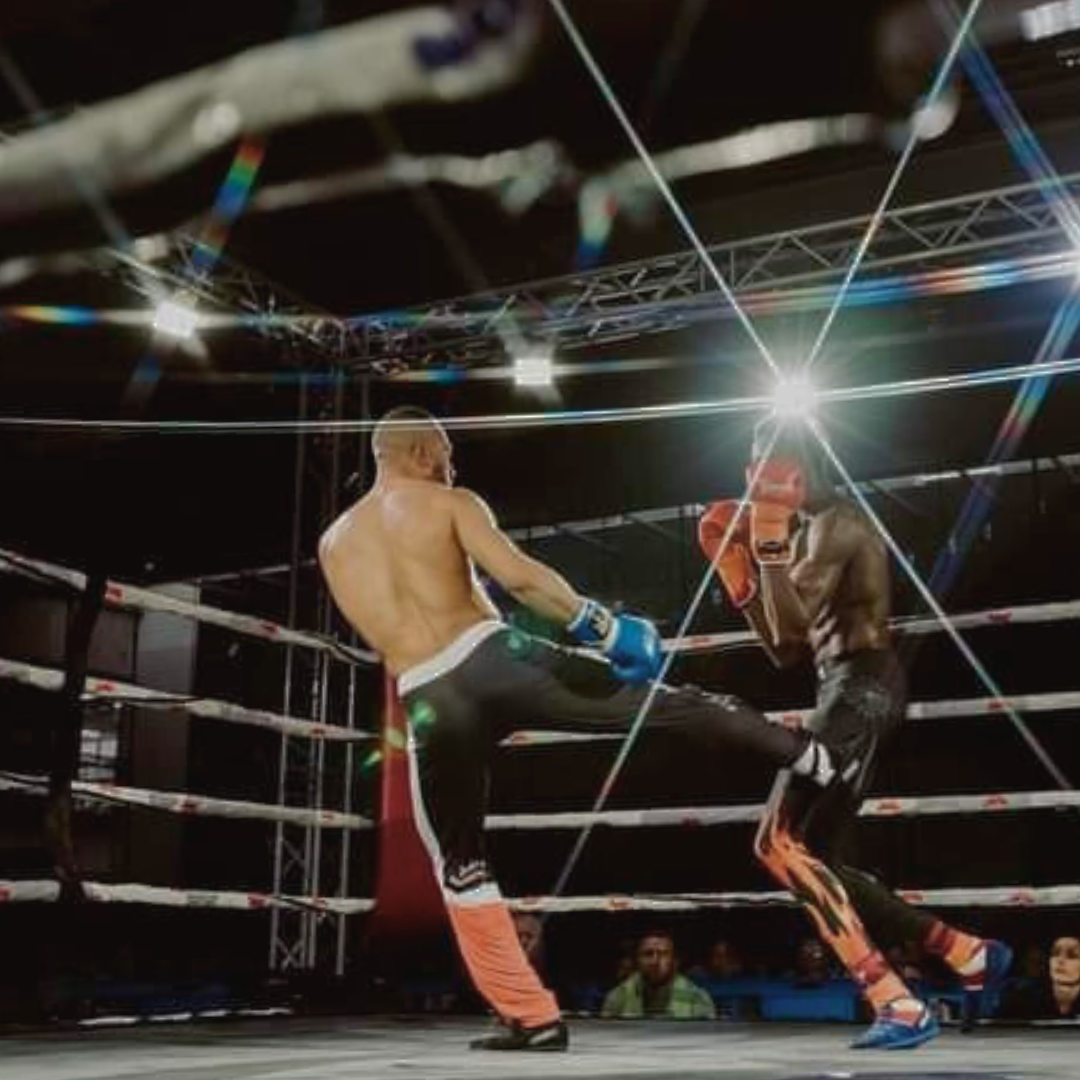
In savate, kicks are delivered with the sole or top of the foot (not the shin as in Muay Thai). They can target the legs, body, or head. This additional technical repertoire radically changes the reading of a fight: distances, angles, space management, everything is different.
3. Techniques: a different vocabulary
In English boxing:
- Jab, straight, hook, uppercut
- High guard work, lateral footwork
- The objective: hit with punches, protect the face
In French savate boxing:
- Same arsenal of punches (straight, hook, uppercut)
- Plus: fouetté (roundhouse kick), chassé (front kick), revers, low kick
- More vertical footwork, managing distances with two registers simultaneously
Savate requires more complex body-technical coordination: the "tireur" (as the practitioner is called) must master two distinct striking bodies, manage two combat distances, and anticipate attacks on two levels.
4. Equipment: the key difference, shoes
This is where everything visually differs.
English boxing:
- Gloves
- High-top boxing shoes (sneaker type)
- Mouthguard, headgear (for amateurs)
- Hand wraps
French savate boxing:
- Gloves (same logic as English boxing)
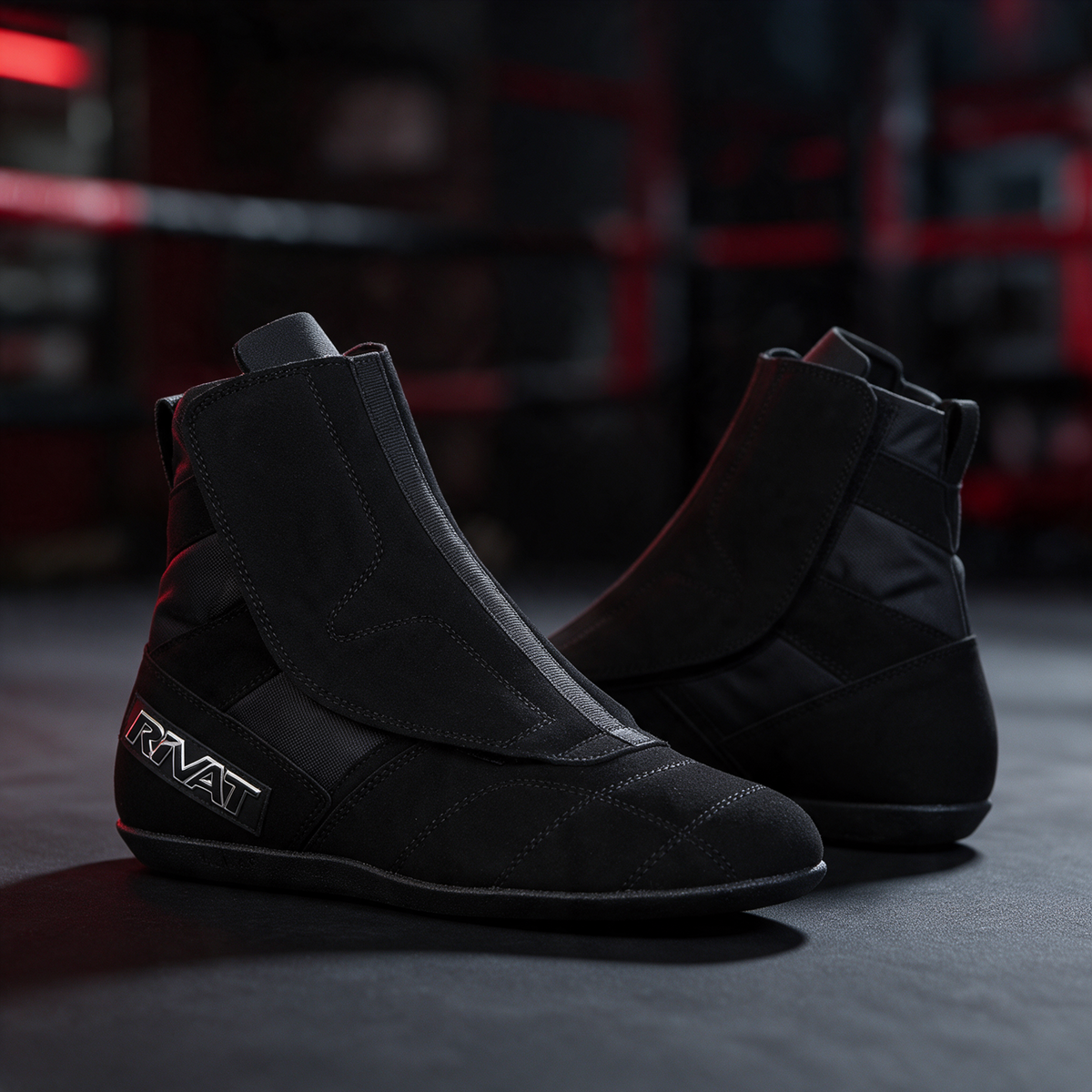
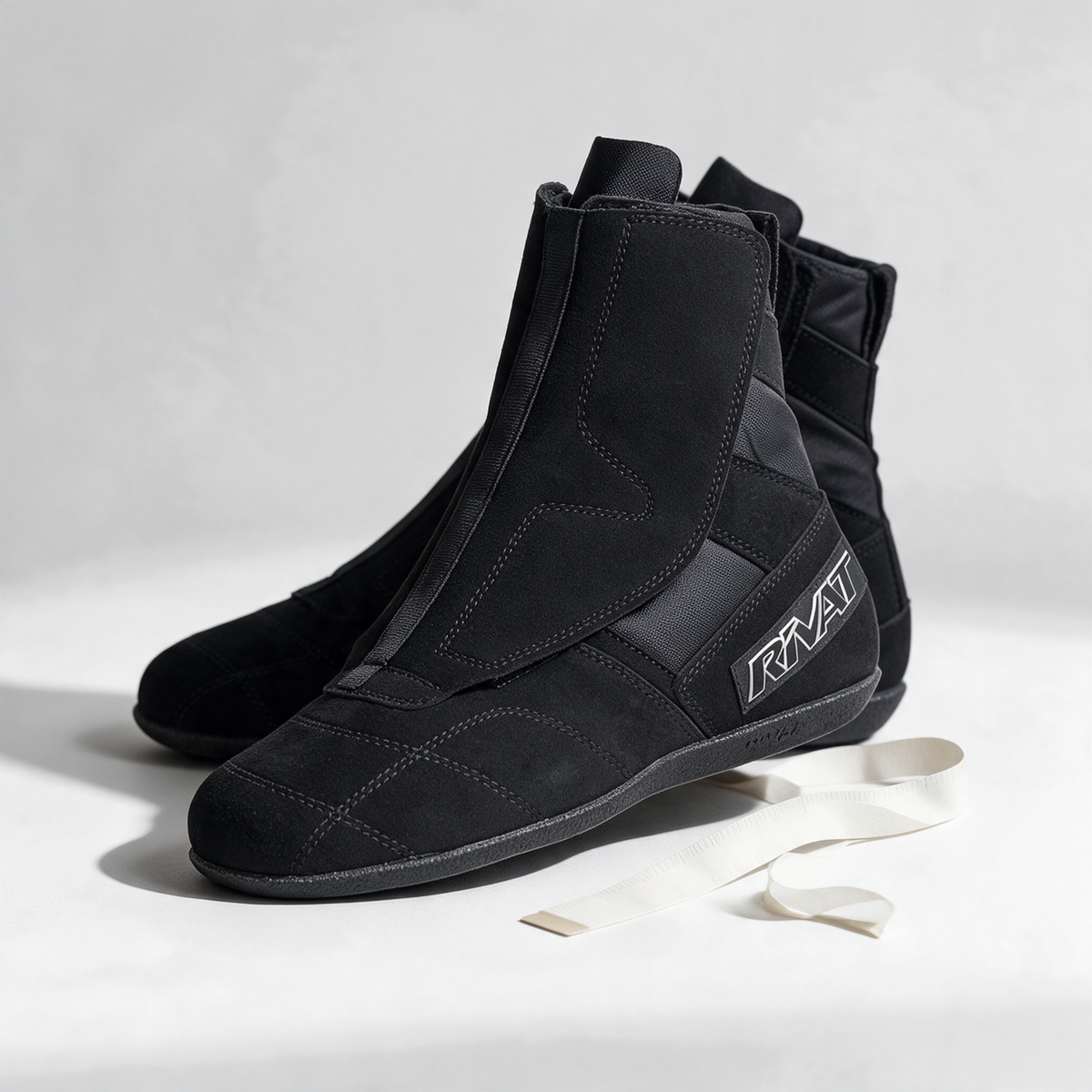
- Specific savate shoes, this is the most technical and important equipment
- Shin guards (for beginners/intermediates), mouthguard, headgear
Savate shoes deserve a separate paragraph. Unlike English boxing shoes designed for pivoting and lateral movement, French boxing shoes are optimized for kicking: flexible sole for the "fouetté" (whipping kick), foot support on impact, lightness for execution speed.
At RIVAT, we have been designing savate shoes for over 70 years. From the SWING introductory model to the F1 competition model, each pair is designed to meet the specific biomechanical requirements of savate, and manufactured in Europe.
🥊 Good to know: In English boxing, you can start with running shoes. In savate, technical shoes are essential from the first lessons to protect the foot during kicks.
5. The grading system: a different sports culture
English boxing operates on a system of professional rankings and belts (IBF, WBC, WBA, WBO). In amateur boxing, competitions follow weight categories without individual grades.
Savate has developed a unique grading system: the gloves. From white glove (beginner) to silver glove (high level), passing through yellow, orange, green, blue, and red gloves. Each grade validates the technical mastery and competitive commitment of the "tireur." It is a pedagogical and motivating system that structures long-term progression.
6. The mindset: sport vs. martial art
This point is often underestimated. English boxing is perceived worldwide as a universal combat sport, popularized by global icons (Ali, Tyson, Canelo…).
French savate boxing, on the other hand, retains a martial art dimension: technical precision takes precedence over raw power. They are called "tireurs," not boxers. The elegance of the movement, the accuracy of positioning, the controlled hand-foot combination, these are values that are part of the discipline's identity.
It is also a more technical sport to learn, but it offers a broader range of body expression.
7. Which to choose?
|
French Savate Boxing |
English Boxing | |
| Allowed strikes | Punches + Kicks | Punches only |
| Technicality level | High | Medium to high |
| Specific equipment | Savate shoes | Boxing shoes |
| Grading system | Yes (colored gloves) | No (for amateurs) |
| Practice in clubs in France | Very widespread | Very widespread |
| Ideal for | Technicality, versatility, French sports culture | Power, cardio, universal sport |
Choose French savate boxing if:
- You like technique and precision
- You want to combine feet and fists
- You want to practice a sport with a real pedagogical progression
- You like the idea of technical and distinctive equipment (especially the shoes)
Choose English boxing if:
- You want to focus solely on punches
- You are looking for a highly publicized sport with many references
- You prefer a more gradual entry into equipment
Conclusion
French savate boxing and English boxing share the intensity of the ring, but differ in almost everything else: rules, techniques, equipment, culture. Savate is a complete, demanding, and technically rich sport, which rightly deserves its reputation as an exceptional discipline.
Have you chosen savate? Start with the right equipment: discover our range of French boxing shoes, designed and manufactured in Europe since 1956.